 Any Questions? Call Us:
Sound Design And The Casino Stage
When you first log into a casino lobby, the audio greets you as much as the visuals do, and I think that matters. The designers at KingJohnnie have clearly treated sound as part of the interface, not an afterthought.
There are obvious goals here, like setting tempo to encourage longer play, and subtler ones, like making a win chime feel like a small, repeatable reward. The overall effect is almost theatrical, which is fitting — a casino is a stage, even when it is digital.
Before we dive into specifics, a quick note. Below I outline the layers that matter, how they influence emotion, and why payments, registration, and bonus flows should all play well with that soundtrack.
Quick highlight:
- Ambience, the low-level hum or music that sets a mood.
- Response sounds, quick chimes or clicks tied to actions like bets and collections.
- Highlight cues, layered effects for wins, bonuses, and jackpots.
Emotional Layering In Slots
Emotions in a casino product are not accidental. Designers tune small things — a minor swell when a bonus is within reach, a subdued fade when a session ends — to guide feelings. This is called emotional layering, and it works best when sound, visuals, and microcopy are aligned.

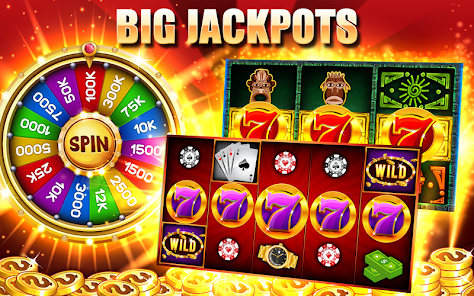
The image above is a snapshot of a cinematic moment in a slot intro, which you see and hear on many modern titles. It’s cinematic for a reason, it tells a short story, and it primes reaction.
- Build anticipation with tempo changes, so small wins feel like progress.
- Reward patience with richer sonic textures when bigger features trigger.
- Use silence strategically, to make the next sound more impactful.
- Keep variation so repetition does not lead to fatigue.
It’s a delicate balance. Too much stimulation feels manipulative. Too little, and the product is forgettable. I have noticed, often, that the best online casinos calibrate these elements to their audience, rather than chasing trends.
Player Experience: Registration To Withdrawals
The audio-visual design should feed directly into practical flows. Registration, bonuses, and payments are not isolated tasks, they are moments where tone matters. A friendly chime on successful registration, for example, reassures the player.

Visuals can make forms feel lighter; sound can make a small confirmation feel delightful. Below are practical elements that benefit from careful audio and design treatment.
- Registration flow with clear, friendly copy and subtle confirmations.
- Bonus presentation that uses animation and a short, memorable cue to announce terms and claims.
- Spin buttons and bet selectors that give satisfying tactile feedback via tiny sounds.
When you test a platform, it’s the small confirmations that give confidence. Deposits that use an immediate, distinct sound feel more trustworthy to some players, oddly enough.
Payments, Bonuses And The Subtle Signals
Practical systems like payments must always feel secure. Visuals and audio that reinforce the sense of control, clarity, and reliability reduce friction.
- Clear breadcrumbing of transactions on deposit and withdrawal pages.
- Gentle confirmations when actions complete, and calm warnings when they fail.
- Make the deposit flow transparent: show expected processing times.
- Announce bonus terms clearly, avoid surprises after claiming.
- Provide immediate, unambiguous confirmation when withdrawals are initiated.
It’s surprising how often such signals are overlooked. A busy lobby with little feedback makes even simple tasks feel risky. Designers should ask, would I feel safe making a large deposit with this UI and soundscape?
Conclusion
Sound, design, and emotion are intertwined in a casino’s DNA. When these elements are consciously designed, the platform feels thoughtful, trustworthy, and entertaining. Small moments — a crisp payout ding, a calm registration confirmation, a restrained ambient loop — add up.
I do not mean to imply there is a single formula. Different audiences prefer different balances. Still, design that respects players, and sound that supports clarity rather than masking friction, usually wins in the long run.
FAQ
Q: Does sound influence retention? A: Yes, when paired with clear UX. It enhances the perception of reward and polish.
Q: Should every interaction have a sound? A: No, frequent actions need subtlety. Reserve richer cues for meaningful events.
Q: How to test these effects? A: Use A/B tests, watch new players in short sessions, and listen for signs of confusion or delight.

